As agriculture embraces cutting-edge technology, the question arises: what does it take to introduce artificial intelligence into livestock management? Understanding the costs associated with implementing AI solutions in farming is crucial for enhancing efficiency, sustainability, and productivity in the industry. This exploration reveals the financial implications and benefits of pioneering agri-tech innovations.
Understanding the Basics: What Does AI Mean for Agriculture?

In the ever-evolving landscape of agriculture, artificial intelligence (AI) is not merely a buzzword but a transformative force reshaping how farmers approach livestock management and crop production. As the world faces increasing challenges in food security and environmental sustainability, integrating AI into agricultural practices offers innovative solutions that can enhance efficiency and productivity. From optimizing resource allocation to improving animal health, understanding the fundamentals of AI in agriculture is crucial for anyone engaged in the industry.
AI in agriculture encompasses various applications that utilize machine learning, data analysis, and automation to improve farming outcomes. One prominent area is precision agriculture, where AI systems analyze data on soil conditions, weather patterns, and crop health to provide farmers with actionable insights. This technology enables more informed decision-making, ensuring that inputs like water, fertilizers, and pesticides are applied efficiently. As a result, farmers can reduce waste and enhance yields, leading to more sustainable farming practices.
AI also plays a significant role in the livestock sector. Farmers are increasingly using AI for acquiring insights into herd health, reproduction cycles, and nutrition management. For instance, systems equipped with sensors can monitor individual animals in real time, facilitating early disease detection and reducing losses. This capability not only improves the overall health of livestock but also optimizes operational costs. The question many are asking is, How Much Does It Cost to AI a Cow? AI in Livestock and Agriculture can often lead to the realization that the investment pays dividends by ensuring healthier herds and increased output.
Moreover, the application of generative AI in agriculture further revolutionizes the industry by enabling predictive analytics and customized farming strategies. By analyzing vast datasets, AI algorithms can forecast market trends and customer preferences, helping farmers adapt their practices to meet market demands. This adaptability is essential in today’s fast-moving agricultural landscape, where producers must respond quickly to changing conditions. As such, understanding and embracing AI technologies is not only beneficial but necessary for future-proofing agricultural operations.
By leveraging AI in farming today, producers can gain a competitive edge while contributing to a more resilient food system. As farmers ask how much it costs to AI a cow, the focus should not solely be on expenses but rather on the significant value created through improved efficiencies and productivity gains. The integration of AI is an investment in the future of agriculture, fostering sustainable growth and food security for generations to come.
The Financial Breakdown: Initial Costs of AI Integration in Livestock
The integration of artificial intelligence (AI) in livestock management is not just a futuristic concept; it is a growing reality that demands careful financial planning. Enterprises looking to enhance productivity and optimize their operational efficiency through AI face a range of initial costs that can influence their overall budget significantly. Understanding these expenses is critical for making informed decisions about how much it will cost to AI a cow, making financial assessments not only a necessity but also a strategic advantage.
Understanding the Initial Costs
When considering AI technologies in livestock, farmers must account for several key initial costs, which can vary widely based on the scale of implementation and the technology chosen. Key components include:
- Hardware Investments: This includes computers, sensors, and other devices required to collect and analyze data. High-quality sensors can range from $500 to $2,500 each, depending on the complexity and capabilities.
- Software Licensing: Proprietary AI software often requires licensing fees. These can range from a few hundred to several thousand dollars annually, dependent on the features and level of service provided.
- Training and Setup: Implementing AI often necessitates training staff and configuring systems. Budgeting for this human resource investment is vital, with costs potentially ranging from $1,000 to $10,000 depending on the size of the operation.
- Ongoing Support and Maintenance: Initial costs extend beyond the hardware and software. Farmers should anticipate ongoing expenses for technical support and maintenance, which can average 15-20% of the initial investment annually.
To illustrate the financial implications further, consider the following sample budget for a mid-sized farm looking to integrate AI into livestock management:
| Item | Estimated Cost |
|---|---|
| Hardware (sensors and devices) | $5,000 |
| Software Licensing | $2,000 |
| Training and Setup | $3,500 |
| Ongoing Support (first year) | $1,000 |
| Total Initial Cost | $11,500 |
By breaking down these expenses, farmers can better assess the financial impact of AI integration in livestock. Investment in AI technologies like predictive analytics for breeding, health monitoring systems, and automated feeding solutions can lead to substantial long-term savings and increased productivity. Thus, understanding how much it really costs to AI a cow in your agricultural business is essential for not just survival but success in an increasingly competitive market.
Enhancing Efficiency: How AI Optimizes Cow Farming Practices
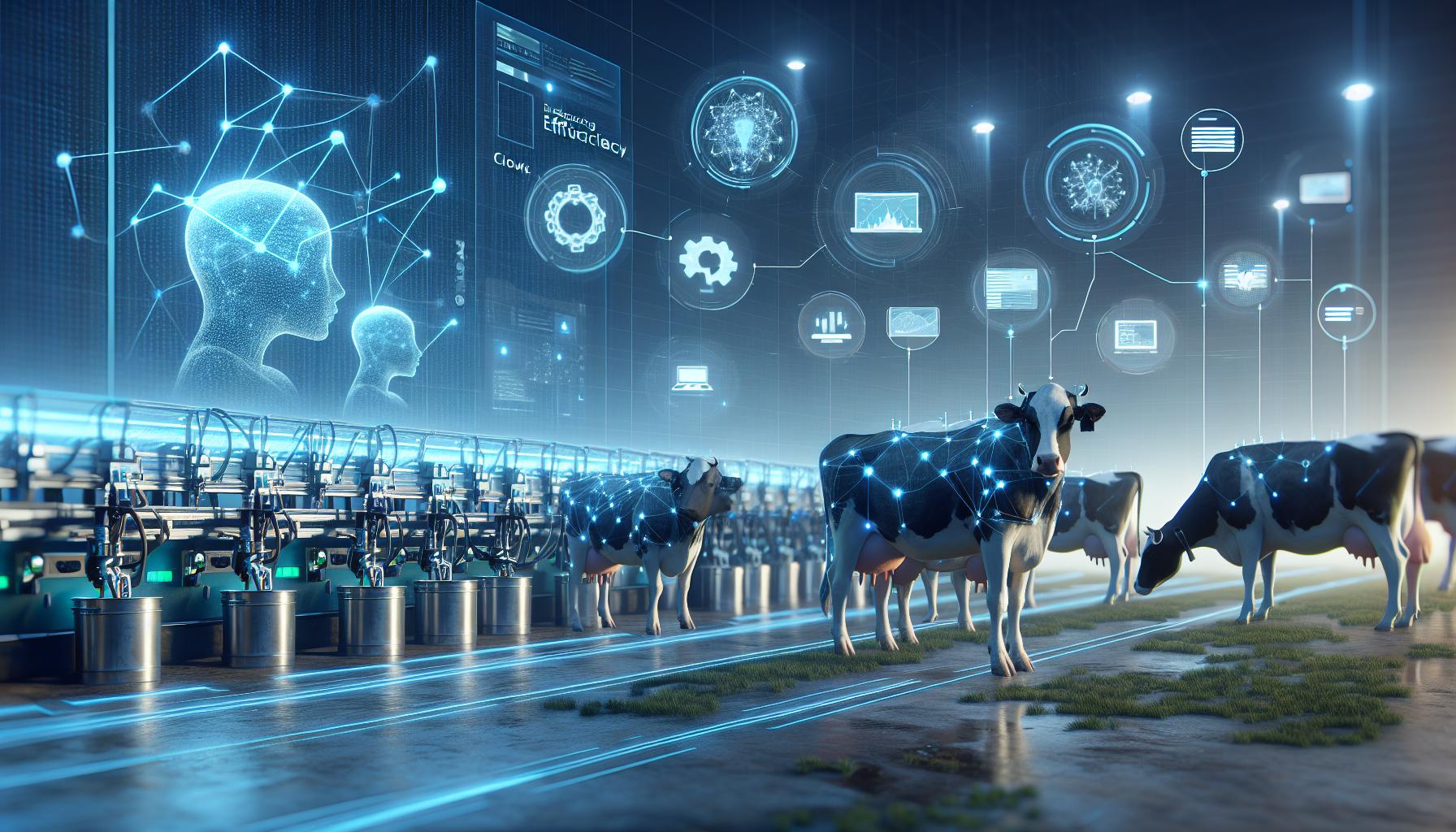
In a rapidly evolving agricultural landscape, the integration of artificial intelligence in cow farming is transforming traditional practices and driving unprecedented efficiencies. The question of “How Much Does It Cost to AI a Cow?” often lingers among farmers considering this tech-driven approach, yet the long-term benefits far outweigh initial investments. By leveraging sophisticated data analytics and machine learning algorithms, AI technologies are ushering in a new era for livestock management, enabling farmers to maximize productivity while ensuring animal welfare.
Precision Farming with AI
One of the remarkable applications of AI in cow farming is precision agriculture. Utilizing real-time data from sensors and IoT devices, farmers can monitor various parameters, such as feed intake, milk production, and health indicators. This wealth of information allows for tailored interventions, fostering an environment where every cow is treated as an individual, rather than a member of a herd.
- Improved Nutrition: AI analyzes dietary needs based on individual cow health data and growth stages, optimizing feed formulations accordingly.
- Health Monitoring: Early detection of illnesses through predictive analytics can reduce veterinary costs and enhance overall herd health.
- Milk Production Optimization: AI systems track daily milk yields and detect anomalies, allowing farmers to adjust milking schedules or feeding practices in real time.
Operational Efficiency and Cost Reduction
The implementation of AI in cow farming not only streamlines operations but also contributes to significant cost savings. Automated systems like robotic milking machines and AI-driven herd management dashboards reduce labor dependency and minimize human error. These systems can lead to lower operational costs over time, thereby answering the pressing query related to how much it actually costs to integrate AI into daily farming practices.
| AI Application | Benefits | Estimated Cost Savings per Year |
|---|---|---|
| Robotic Milking | Increased milk yield, reduced labor | $15,000 – $25,000 |
| Health Monitoring Sensors | Reduced veterinary bills, improved cow health | $5,000 – $10,000 |
| Feed Management Systems | Optimized feed efficiency, lower waste | $3,000 – $8,000 |
By investing in AI technologies, farmers can not only enhance productivity and animal welfare but also make strides toward sustainability in their operations. These innovations hold the potential to fundamentally change the economics of cow farming, offering solutions to the industry’s pressing challenges while answering the critical question of AI costs in livestock and agriculture.
Real-World Applications: Success Stories of AI in Livestock Management
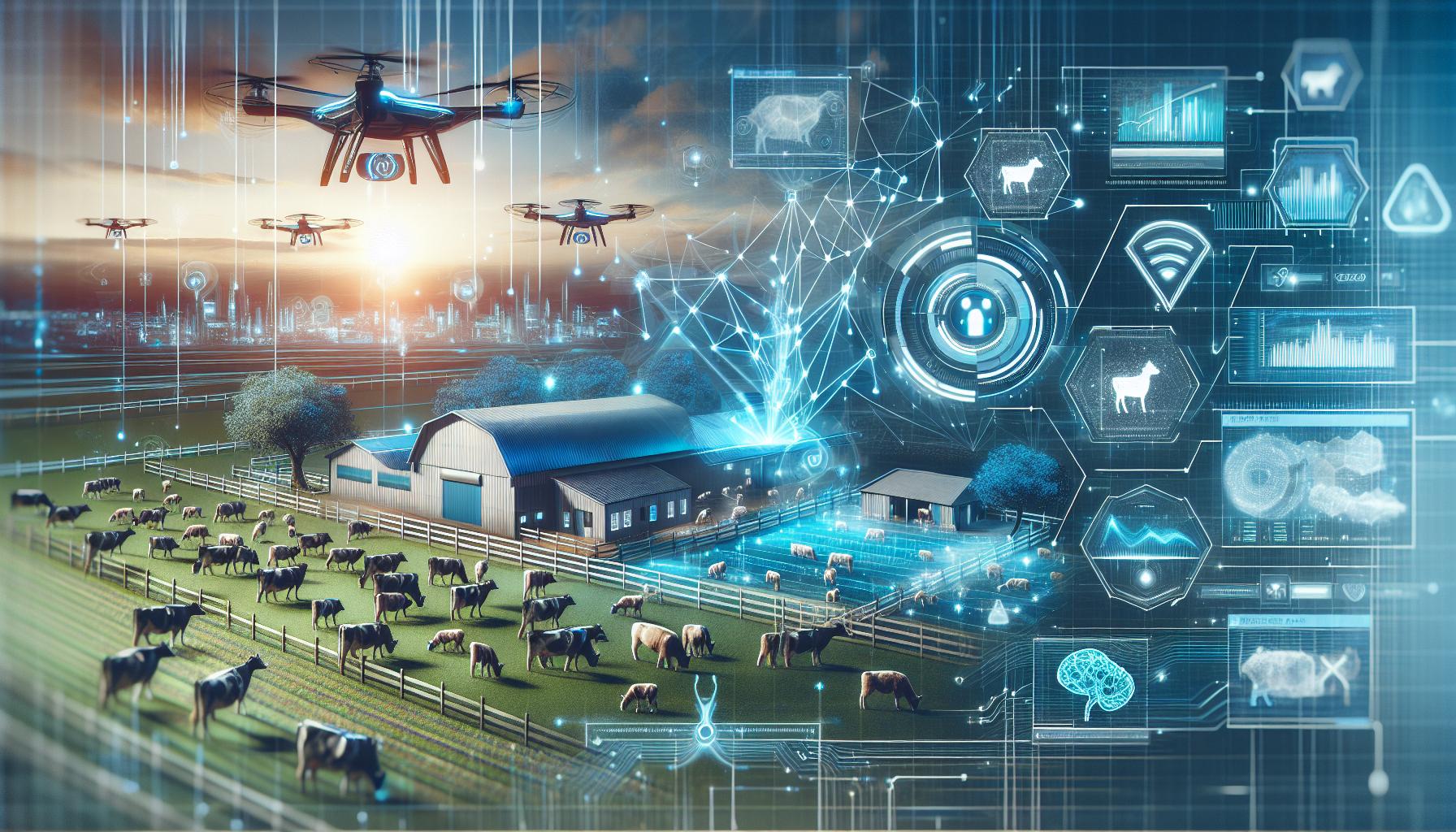
The rise of artificial intelligence in livestock management is not just a futuristic concept; it’s a transformative force reshaping agricultural practices today. Farmers are increasingly turning to AI technologies to optimize breeding, improve animal health, and enhance overall productivity, demonstrating remarkable success stories across the globe. These innovations often lead to more sustainable farming practices, improved animal welfare, and enhanced profitability.
Case Study: Dairy Farms Embracing AI
One notable success story comes from a dairy farm in California that integrated AI-driven health monitoring systems. By utilizing wearable technology, such as smart collars, farmers can track vital signs and activity levels in real time. This data allows for immediate intervention in case of illness or abnormal behavior. The result? A 15% increase in milk yield and a significant reduction in veterinary costs over two years.
Another dairy farm adopted predictive analytics software to determine the optimal insemination times for their herd following the query: How much does it cost to AI a cow? By analyzing historical breeding data and individual cow health metrics, they were able to increase their conception rates by 20%. This technology not only reduces costs associated with unsuccessful breeding but also enhances the genetic quality of the herd over time.
Beef Cattle Operations: Reaping Benefits from AI
In beef cattle management, AI applications have similarly demonstrated impressive results. A ranch in Texas implemented advanced genetic selection algorithms to identify the best bulls for breeding based on performance data. By combining this with AI-driven feed efficiency technologies, the ranch reported a 30% improvement in weight gain among calves. This shift not only cut costs but also ensured a better quality product without increasing environmental impact.
- Health Monitoring: Smart collars and sensors help in early detection of diseases.
- Breeding Optimization: Predictive analytics improve conception rates and genetic quality.
- Feed Efficiency: AI technologies enhance weight gain and reduce feed costs.
The Financial Bottom Line
Farmers considering the investment often face the question of costs versus benefits. An estimated breakdown demonstrates that the initial investment in AI systems can range from $5,000 to $50,000, depending on the scale and technology used. However, with documented increases in productivity and cost savings, many operations see a return on investment within the first two to three years.
| Investment Type | Estimated Cost | ROI Timeline |
|---|---|---|
| Health Monitoring Systems | $10,000 | 1-2 years |
| Predictive Breeding Software | $15,000 | 2-3 years |
| Feed Efficiency Solutions | $20,000 | 2-3 years |
As the agricultural sector continues to evolve, the question “How much does it cost to AI a cow?” becomes easier to answer with the wealth of case studies showcasing tangible benefits. From enhanced productivity to significant cost reductions, these real-world applications illustrate the potential of AI in reshaping livestock management and agriculture as a whole.
The Long-Term Investment: ROI of Implementing AI Technologies

AI technologies are transforming the agriculture sector, particularly in livestock management, by optimizing production processes and improving overall farm efficiency. As producers grapple with fluctuating market demands and a growing focus on sustainability, understanding the return on investment (ROI) of implementing AI systems becomes paramount. A well-informed decision can mitigate the risks associated with significant initial costs, such as those raised in discussions around “How Much Does It Cost to AI a Cow? AI in Livestock and Agriculture.”
Understanding the Cost-Benefit Analysis
When evaluating the financial implications of AI in livestock, it’s essential to conduct a thorough cost-benefit analysis. Initial investments can include hardware for data collection, software for analytics, and even training staff on new systems. However, these costs must be weighed against the potential benefits:
- Increased Productivity: AI can streamline breeding cycles and monitor animal health, leading to higher milk yield and better meat quality.
- Cost Savings: Automated systems for feeding and health checks can significantly reduce labor costs and minimize waste.
- Data-Driven Decisions: Real-time data can facilitate quicker decisions, enhancing operational efficiency and herd management.
A recent study highlighted that farms implementing AI technologies saw productivity increases of up to 20%, providing a significant boost to their bottom line. The initial outlay may seem daunting, but over time, the money saved and earned can substantially outweigh the upfront costs.
ROI Metrics: Analyzing the Numbers
To elucidate the anticipated return on investment, consider a model comparing traditional farming practices with AI-enhanced methods. Below is a hypothetical overview showcasing potential ROI over three years after implementing AI solutions:
| Year | Initial Investment | Annual Savings | Total Revenue Increase | ROI (%) |
|---|---|---|---|---|
| 1 | $50,000 | $15,000 | $10,000 | -16% (loss) |
| 2 | $0 | $20,000 | $15,000 | 50% (gain) |
| 3 | $0 | $25,000 | $20,000 | 100% (gain) |
As illustrated, while there may be an initial loss in the first year, costs stabilize and savings accrue rapidly in subsequent years, leading to a robust ROI by year three. Utilizing AI not only elevates operations but also paves the way for sustainable practices that are increasingly important in today’s economy.
In conclusion, understanding the ROI of AI in livestock and agriculture requires a comprehensive view of both the short-term challenges and long-term benefits. This knowledge empowers farmers to make informed decisions that align with their operational goals while reinforcing their position in a competitive market.
Navigating Challenges: Common Hurdles in Adopting AI in Agriculture
Transitioning to artificial intelligence in agriculture, particularly in livestock management, presents numerous challenges that can hinder implementation. Understanding these hurdles is crucial for farmers and stakeholders looking to optimize their operations using AI technology. For instance, the integration of AI can enhance livestock breeding and productivity, but without addressing potential barriers, the desired benefits may remain elusive.
One of the most significant challenges is the cost of implementation. The inquiry “How Much Does It Cost to AI a Cow?” often surfaces among farmers. High initial investments in technology, software, and training can be daunting, particularly for smaller farms operating on tight margins. The costs associated with these systems can include:
| Expense Type | Estimated Cost |
|---|---|
| AI Software | $5,000 – $15,000 |
| Hardware (Sensors, etc.) | $3,000 – $10,000 |
| Training for Staff | $1,000 – $5,000 |
| Ongoing Maintenance | $500 – $2,000/year |
Beyond finances, there exists a considerable knowledge gap among farmers regarding AI technology. Many in the agricultural community may not fully understand how these tools can enhance productivity or how to use them effectively. Addressing this challenge requires comprehensive training programs and educational resources. Partnering with technology providers can facilitate hands-on workshops to bridge this knowledge gap and foster confidence among users.
Another hurdle is the issue of data management. AI systems thrive on data, but gathering, storing, and interpreting vast amounts can be overwhelming. Farmers must implement robust data management systems to ensure effective use of AI. This includes investing in:
- Cloud Storage Solutions: To store data securely and access it conveniently.
- Data Analytics Tools: For analyzing livestock health and performance metrics.
- Interoperable Systems: Ensuring compatibility between various technologies used on the farm.
Lastly, integrating AI into existing operations may disrupt established workflows, leading to resistance to change. It’s essential to involve all team members in the decision-making process and highlight the advantages of adopting AI, showcasing case studies where AI has successfully improved livestock productivity and welfare. Successful transitions often depend on positive engagement and adaptability within the farming culture—creating an environment where innovation is welcomed rather than resisted.
Future Trends: What Lies Ahead for AI in Livestock Farming
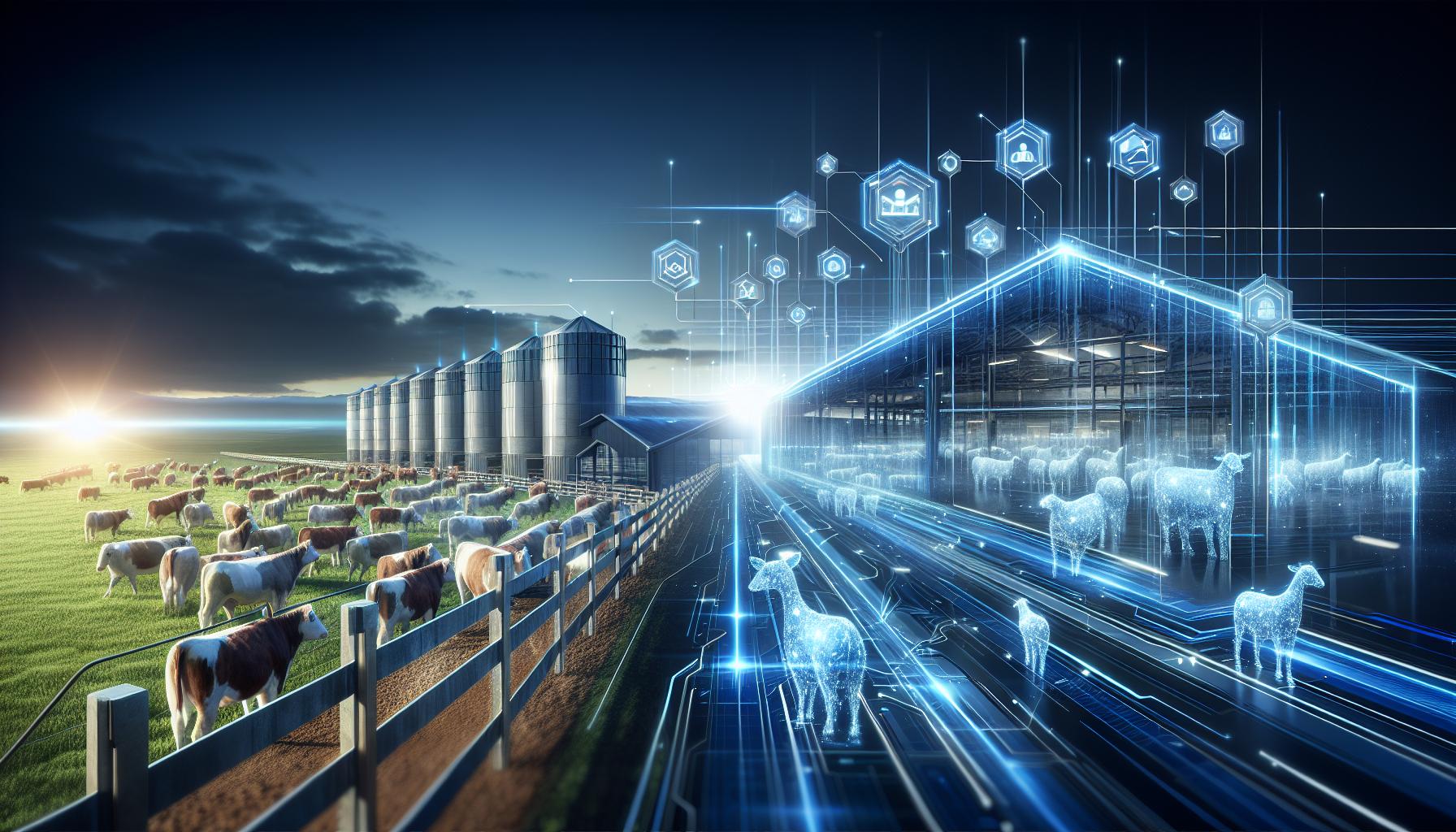
As technology continues to advance at a breakneck pace, the integration of artificial intelligence in livestock farming is set to redefine the industry. Currently, many farmers are already reaping the benefits of AI, from optimizing reproductive rates to streamlining feed efficiency. However, the future holds even more exciting possibilities, particularly as the demand for sustainable and efficient agricultural practices grows.
Enhanced Genetic Insights
One of the most promising trends on the horizon is the use of AI for enhanced genetic analysis. By leveraging sophisticated algorithms, farmers will be able to identify genetic traits that lead to better health, increased milk production, or improved growth rates in livestock. This capability enables a more targeted approach to breeding, allowing farmers to make informed decisions that foster healthier herds and higher yields.
- Precision Breeding: AI can analyze vast datasets from genomic information, leading to breeding decisions that optimize livestock characteristics.
- Fertility Predictions: AI systems will likely enhance predictive analytics around cow breeding cycles to reduce costs and improve results.
- Disease Resistance: By identifying genetic factors associated with disease resistance, farmers can prioritize breeding for healthier animals.
Automated Monitoring Systems
In tandem with genetic advancements, automated monitoring systems will revolutionize how livestock are cared for and managed. These systems encompass IoT devices and sensors that track animal health and behavior in real-time. With the integration of AI, farmers can expect to see even more accurate data analysis that can lead to early detection of health issues, optimized feeding schedules, and improved overall herd management.
| Feature | Benefits |
|---|---|
| Real-Time Health Monitoring | Facilitates early intervention, reducing veterinary costs. |
| Behavior Analysis | Enhances understanding of herd dynamics, improving social structures. |
| Automated Feeding Systems | Ensures optimal nutrition delivery while minimizing waste. |
Sustainable Farming Practices
The drive towards sustainability in agriculture is likely to boost investments in AI technologies that promote eco-friendly practices. Through predictive modeling of environmental impact, AI can help manage land use and improve waste management strategies. This shift not only ensures compliance with regulatory standards but also caters to an increasingly environmentally-conscious consumer base.
In conclusion, the evolution of AI in livestock farming is poised to radically reshape the industry. With enhanced genetic insights, automated monitoring systems, and a surge toward sustainable practices, the potential for efficiency and profitability is staggering. As farmers navigate questions like “How much does it cost to AI a cow?”, it becomes evident that the return on investment can be substantial, making the future of livestock farming not just technologically advanced but also economically viable.
Choosing the Right Technology: Key Considerations for Farmers
With agricultural technology advancing at a breakneck pace, the integration of Artificial Intelligence (AI) in livestock management presents a fascinating opportunity for farmers to enhance productivity and efficiency. However, choosing the right technology isn’t just about jumping on the latest trend; it requires a thoughtful approach tailored to specific needs. Understanding the implications of AI, particularly through initiatives like “How Much Does It Cost to AI a Cow? AI in Livestock and Agriculture,” can guide farmers in making informed choices.
When it comes to selecting AI solutions, farmers should consider several key factors:
- Purpose of Implementation: Clearly define what you want to achieve with AI technology. Whether it’s improving herd health, optimizing feeding strategies, or enhancing breeding programs, knowing your objectives will steer your technology choices.
- Integration with Existing Systems: Ensure that the AI tools you are considering can seamlessly integrate with your current farm management systems. Compatibility will save time and reduce costs in the long run.
- Budget Constraints: Evaluate the total cost of ownership, including initial investments, ongoing maintenance, and potential upgrades. Understanding “How Much Does It Cost to AI a Cow?” is essential to align your budget with your long-term agricultural goals.
- Data Privacy and Security: As AI systems collect and process vast amounts of data, prioritize vendors that adhere to robust security protocols. Farmers need assurance that their data—and that of their livestock—remains confidential and protected from unauthorized access.
- Scalability: Choose technologies that can grow with your farm. Whether you have a small operation or plan to expand significantly, scalability will ensure that your investment remains aligned with your evolving needs.
Another vital consideration is the usability of the technology. Implementation should not only enhance efficiency but also be straightforward for farmworkers to adopt. Training programs offered with the technology can facilitate smoother transitions, ensuring staff can maximize the tools available to them. Consider the company’s customer service and support options, as ongoing assistance can make a significant difference in how well the technology performs on your farm.
Finally, don’t overlook the importance of community feedback. Engaging with other farmers who have experimented with AI in livestock can provide invaluable insights and help refine your decision-making process. Online forums, local agricultural cooperatives, and industry conferences are great avenues to gather real-world examples of successful AI applications in livestock management. Exploring case studies from similar farms can illuminate the potential benefits and pitfalls of various AI solutions, providing a more grounded perspective on investment strategies in the face of inquiries like, “How Much Does It Cost to AI a Cow?”
By considering these factors, farmers can make informed choices that align their operational goals with the technological advancements available in today’s agricultural landscape, ultimately enhancing productivity and sustainability for generations to come.
Frequently asked questions
How Much Does It Cost to AI a Cow?
The cost to AI a cow (Artificial Insemination) typically ranges from $15 to $50 per attempt. This price can vary based on factors such as the semen used, veterinary fees, and farm-specific costs.
Prices may also depend on the breed of the cow and the expertise of the technician performing the AI. For example, high-quality semen from superior bulls can cost significantly more. Understanding these factors can help farmers budget effectively for integrating AI in livestock management.
What is AI in Livestock and Agriculture?
Artificial Insemination (AI) in livestock and agriculture is a reproductive technology that involves the manual introduction of semen into a cow’s reproductive tract. This process is used to improve genetic traits and enhance herd quality.
AI allows farmers to select superior genetics by using semen from bulls that may not be physically present on their farms. This method leads to better herd performance and can significantly improve productivity across the agricultural sector.
Why does AI in agriculture reduce costs?
AI in agriculture can significantly reduce costs by enhancing breeding efficiency and improving herd genetics. By using AI, farmers can breed cows with desirable traits without the upkeep costs of maintaining bulls.
Furthermore, AI reduces the risk of diseases that may spread if natural breeding occurs. This method allows for more controlled breeding, potentially increasing milk production and overall livestock value, leading to long-term savings.
Can I perform AI on my cow myself?
While it is possible to perform AI yourself after proper training, it’s generally recommended to hire a professional. Veterinarians or trained technicians have the necessary skills to ensure successful insemination.
Farmers interested in DIY AI should consider attending workshops or training sessions to learn the correct techniques. Investing in this knowledge can lead to better outcomes and lower costs in the long run.
What are the main benefits of using AI in livestock?
The main benefits of using AI in livestock include improved genetic quality, increased reproductive efficiency, and reduced mating costs. By leveraging AI, farmers can access a wide range of genetic material.
This access allows for optimal selection, enhancing traits like milk production, disease resistance, and growth rates. Implementing AI also contributes to better herd management practices, ultimately leading to more sustainable farming.
Is there a downside to using AI in cows?
While there are many advantages, there are some challenges when using AI in cows. Farmers may encounter issues such as training requirements and the need for precise timing during estrus to achieve successful insemination.
Additionally, there can be costs associated with high-quality semen and veterinary services. However, with proper planning and training, many of these challenges can be effectively managed, making AI a viable option for modern livestock management.
What factors affect the success rates of AI in cows?
The success rates of AI in cows are influenced by various factors, including the timing of insemination, the quality of semen, and the technician’s expertise. Proper detection of estrus is critical for enhancing success rates.
Environmental conditions, cow health, and nutritional status also contribute to successful AI outcomes. Farmers should monitor these factors closely to optimize their use of AI technologies and improve overall results.
Key Takeaways
In conclusion, the integration of AI into livestock and agriculture presents a fascinating convergence of technology and traditional farming practices. As we’ve explored, the costs of implementing AI solutions for managing and optimizing cattle farming can vary based on factors such as technology type, scale of operation, and specific goals. From predictive analytics and health monitoring to precision feeding, AI holds the potential to revolutionize how we manage livestock, ensuring both efficiency and sustainability.
As you consider these insights, we encourage you to delve deeper into the world of AI in agriculture. Whether you’re a farmer looking to enhance productivity or a technology enthusiast wanting to explore innovative applications in the industry, the opportunities are vast and continually evolving. Embrace this journey of discovery and empowerment, and consider how these advancements can apply to your own practices or interests in the agricultural sector. Your exploration into AI could lead to groundbreaking improvements in the way we cultivate and care for livestock, shaping the future of farming.