


The rising demand for energy-efficient solutions in our homes poses a significant challenge, as traditional appliances often consume excessive power. Integrating artificial intelligence into appliance design offers a transformative approach to optimize energy usage, reduce costs, and promote sustainability. Exploring AI’s potential in creating smarter, greener appliances is more crucial than ever for a sustainable future.
Understanding Energy Efficiency: The Role of AI in Appliance Design
In an era where energy conservation is paramount, the integration of artificial intelligence (AI) into appliance design offers transformative opportunities for efficiency. Modern consumers are increasingly aware of their energy usage, with smart appliances playing a crucial role in reducing waste and lowering electricity costs. By leveraging real-time data and advanced algorithms, AI-enhanced appliances not only synchronize with household energy consumption patterns but also adapt to user preferences, reshaping our everyday interactions with technology.
How AI Optimizes Energy Management
AI technologies facilitate a level of intelligent management previously unattainable in conventional appliances. These smart devices utilize self-learning systems and real-time data analysis to optimize power usage dynamically. For instance, a smart thermostat learns from user behavior and external conditions, adjusting heating and cooling in ways that minimize energy consumption while maintaining comfort. The result is an appliance that doesn’t just meet user needs but also anticipates them, all while conserving vital resources.
Practical Applications in Appliance Design
The synergy between AI and energy efficiency manifests in various household devices. Here are key examples of how AI can be integrated to build energy-efficient appliances today:
- Smart Refrigerators: Equipped with sensors that monitor food usage and spoilage, these refrigerators can adjust their temperature settings to save energy during less active hours.
- AI-Powered Washing Machines: These appliances analyze load size and fabric type, choosing optimal wash cycles that balance cleanliness with energy consumption.
- Energy Monitoring Systems: Smart home systems can track energy usage patterns, providing insights and recommendations that help users adjust their habits for better efficiency.
The use of these advanced technologies ultimately leads to a more sustainable lifestyle by decreasing energy waste. Households equipped with smart appliances often experience significant reductions in their electricity bills, underscoring the tangible benefits of employing AI in appliance design.
Future Prospects and Considerations
As manufacturers continue to innovate, the future of appliances powered by AI holds even greater promise. Continuous improvements in machine learning algorithms will further enhance the capabilities of these appliances. Companies are now exploring predictive analytics to anticipate user needs even before they arise. This proactive approach can potentially revolutionize how we think about energy efficiency, making it an ingrained aspect of home management rather than a secondary thought.
While the initial investment in smart appliances may be a barrier for some consumers, the eventual savings and environmental impacts present a compelling argument. Understanding how AI can be integrated to build energy-efficient appliances today empowers consumers to make informed decisions that benefit both their wallets and the planet.
How AI Algorithms Optimize Energy Consumption in Everyday Appliances
The integration of AI algorithms into everyday appliances is transforming the way we manage energy consumption, making it significantly more efficient. By harnessing the power of machine learning and data analytics, these smart devices can learn user habits, anticipate needs, and optimize their operations accordingly. Imagine your refrigerator adjusting its temperature based on the volume of food inside or your washing machine choosing the most energy-efficient cycle based on the load size and fabric type. These scenarios illustrate how AI not only enhances convenience but also significantly reduces energy waste.
How AI Algorithms Work in Everyday Appliances
AI algorithms employ a variety of techniques to optimize energy use in home appliances. Here are some ways they achieve this:
- Predictive Analytics: By analyzing usage patterns, AI can predict when an appliance will be used and adjust its operations accordingly. For example, smart thermostats can learn when you typically come home and pre-condition the air or heat to save energy while you’re away.
- Adaptive Learning: Appliances equipped with adaptive algorithms can modify their performance based on real-time data. Dishwashers, for instance, can adjust water flow and temperature based on the level of dirt detected on dishes.
- Demand Response: Some advanced appliances can participate in demand response programs, adjusting their energy use during peak demand times. For instance, your smart oven could delay its heating when the energy grid is strained, ensuring both savings on your energy bill and support for a more stable grid.
Furthermore, the data collected by these appliances enables manufacturers and service providers to fine-tune their products. This feedback loop allows continuous improvement in energy efficiency for future models, perpetuating a cycle of smarter, greener technology.
Real-World Examples of AI in Action
Numerous companies are already exemplifying how AI can be integrated to build energy-efficient appliances today. For instance, smart home systems like Google’s Nest not only manage heating and cooling but also learn from user behavior to minimize energy usage. Likewise, laundry machines with AI capabilities can select the optimal wash cycle based on not just the load type but also the latest energy pricing data, enhancing user savings while minimizing environmental impact.
Implementing AI-driven solutions in your home can lead to substantial energy savings. Prioritizing the adoption of appliances with built-in smart technology is one actionable step you can take towards energy efficiency. Consider upgrading to devices that leverage AI for better performance; the long-term benefits include both reduced utility costs and a decrease in your carbon footprint.
| Appliance | AI Functionality | Energy Savings |
|---|---|---|
| Smart Thermostats | Learning heating/cooling schedules | Up to 15% annual savings |
| AI Washing Machines | Adaptive cycle selection | Up to 30% water and energy savings |
| Smart Refrigerators | Monitoring and adjusting internal conditions | 10-20% reduction in energy use |
By understanding how AI can be integrated to build energy-efficient appliances today, consumers can make informed choices that not only enhance everyday living but also contribute to a more sustainable future.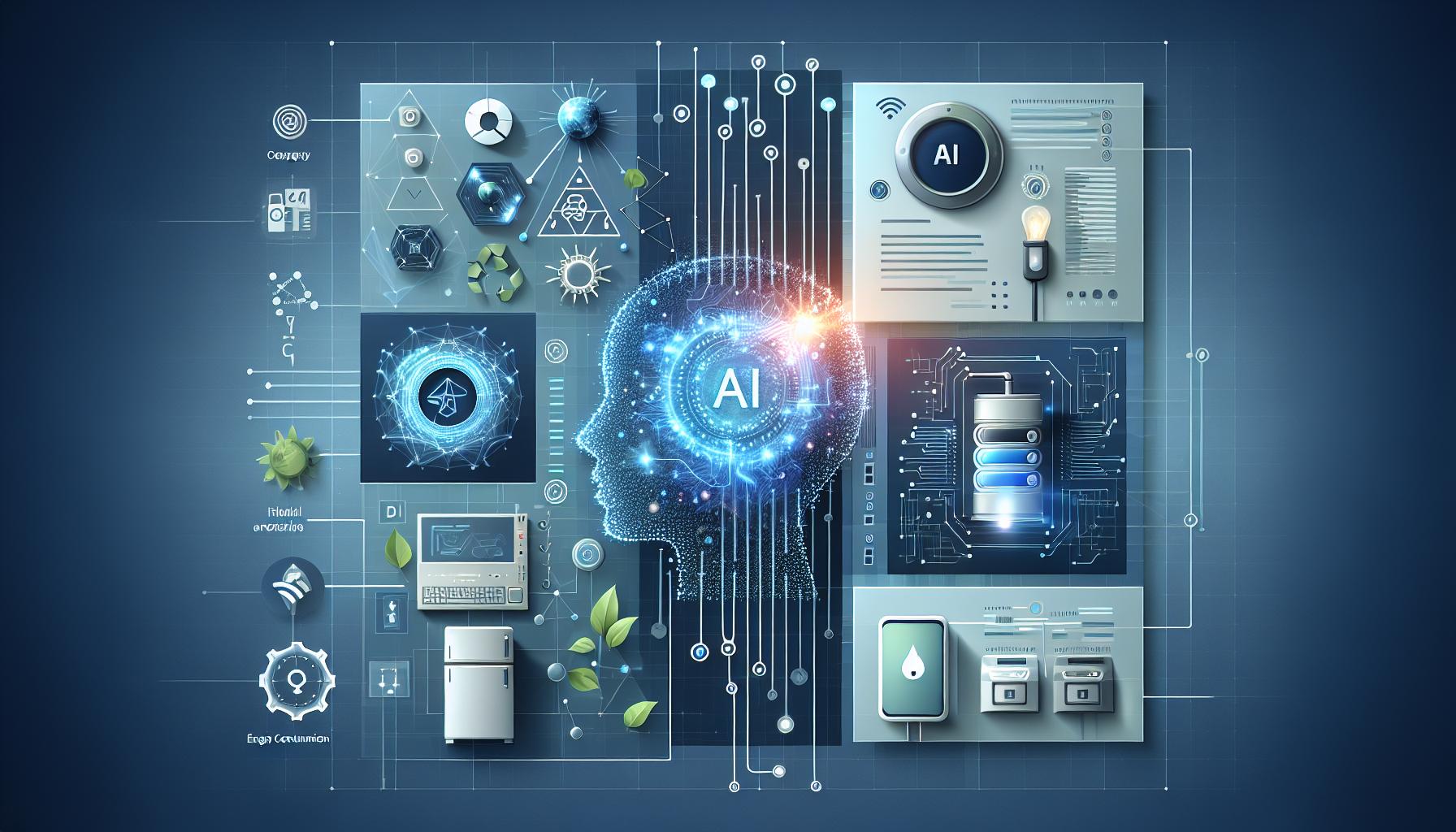
Smart Sensors and AI: A New Era for Energy Monitoring
As the push for sustainable living intensifies, advanced technologies like smart sensors and artificial intelligence (AI) are revolutionizing how we monitor and manage energy consumption. These innovations bring precision and insight into energy usage, allowing homeowners to make informed decisions that promote efficiency and sustainability. By harnessing data from smart sensors integrated within energy-consuming appliances, consumers can gain a real-time view of their energy usage patterns, thus identifying areas for improvement and potential cost savings.
Empowering Energy Efficiency through Smart Sensors
Smart sensors equipped with AI algorithms analyze electrical consumption at an extraordinary rate, often over a million times per second. For instance, systems like the Sense energy monitor can differentiate between various appliances by recognizing their unique electrical signatures. This capability not only provides users with a clear picture of their energy use but also assists in pinpointing inefficiencies. Homeowners can use this data to:
- Identify high-energy consuming devices
- Establish energy-saving schedules
- Determine the best times to use certain appliances to minimize electricity costs
Integrating AI for Predictive Analysis
Beyond mere monitoring, AI’s integration into energy management systems brings predictive capabilities that enhance energy efficiency. By analyzing historical data and recognizing patterns, AI can forecast future energy consumption trends. This predictive analysis enables proactive energy management, allowing users to adjust their energy usage before peaks occur. For example, smart thermostats can leverage AI to learn a household’s routine and automatically adjust settings for optimal efficiency. This adaptability means less energy is wasted, contributing to lower utility bills and a smaller carbon footprint.
| Feature | Benefit |
|---|---|
| Real-Time Monitoring | Immediate insights into energy usage patterns |
| Predictive Analytics | Forecasting future usage to avoid peak times |
| Appliance Identification | Targeted energy-efficient upgrades |
The rising trend of implementing AI in energy-efficient appliances not only improves individual home management but also contributes to wider environmental goals. By utilizing innovations outlined in strategies like “How AI Can Be Integrated to Build Energy Efficient Appliances Today,” residents can significantly lessen their overall energy consumption. Taking actionable steps, such as investing in AI-powered energy monitors and adhering to the insights they provide, can lead to substantial compliance with energy conservation mandates, making a noticeable difference in collective energy sustainability efforts.
Integrating Machine Learning for Predictive Energy Management
Integrating advanced machine learning technologies into energy management systems is not just a trend; it’s a pivotal strategy for enhancing energy efficiency and sustainability. As global energy demands rise due to urbanization and industrialization, the need for intelligent systems that can predict energy usage patterns and optimize consumption has never been more critical. The use of machine learning models enables predictive analytics that can significantly reduce energy waste and facilitate the seamless integration of renewable energy sources.
How Machine Learning Enhances Predictive Energy Management
Machine learning algorithms analyze vast amounts of data to identify patterns in energy consumption, which traditional methods often overlook. By leveraging historical consumption data, weather forecasts, and occupancy patterns, these algorithms can predict future energy usage with remarkable accuracy. This predictive capability can lead to smarter energy management in various applications, including industrial operations and residential energy use. For instance, organizations employing machine learning for predictive maintenance can foresee equipment failures before they occur, thereby minimizing downtime and optimizing resource allocation.
Additionally, machine learning facilitates the development of energy-efficient appliances. By employing techniques such as neural networks and decision trees, manufacturers can create models that adapt their performance based on real-time data, ensuring that appliances operate at peak efficiency. For example, a smart thermostat can learn from the user’s habits and adjust the heating or cooling accordingly, resulting in substantial energy savings.
Real-World Applications of Predictive Analytics in Energy Management
The integration of machine learning into energy management systems is already evident in several sectors. In smart buildings, energy consumption can be optimized by automating lighting and HVAC systems based on real-time occupancy data. Furthermore, as demonstrated in grid-connected microgrids, advanced forecasting models utilize machine learning to balance supply and demand effectively, ensuring grid stability even as renewable energy sources become more prevalent.
To illustrate the impact of these technologies, consider the following table showcasing energy savings achieved through predictive analytics in various sectors:
| Sector | Energy Savings (%) | Implementation Year |
|---|---|---|
| Commercial Buildings | 20-30% | 2022 |
| Industrial Manufacturing | 15-25% | 2021 |
| Residential Homes | 10-20% | 2023 |
As industries increasingly adopt these intelligent systems, the role of machine learning in predictive energy management is set to grow, driving advancements in energy efficiency and sustainability. By harnessing historical data and integrating real-time analytics, stakeholders can make informed decisions that not only enhance productivity but also contribute to a more sustainable energy future. The pathway towards energy-efficient appliances today is clearer with the implementation of AI and machine learning in energy systems, promising a more sustainable tomorrow.
The Impact of AI on Material Selection for Sustainable Appliances
As the global focus on sustainability intensifies, innovative technologies are transforming the way appliances are designed and manufactured, particularly through the application of artificial intelligence (AI). By leveraging AI for material selection, manufacturers can not only enhance the performance of appliances but also significantly contribute to energy efficiency and environmental sustainability. The integration of AI into the material selection process has enabled designers to find the optimal materials that align with both performance criteria and ecological footprints.
AI systems, like those developed by Acelab and others, utilize advanced algorithms to evaluate an extensive array of material properties in real-time. This includes factors such as energy efficiency, durability, and environmental impact. For example, when developing energy-efficient appliances, designers can query AI tools with specific requirements—such as “identify materials that are conductive yet sustainable”—allowing them to quickly source options that meet their ecological and operational standards. This streamlined approach not only reduces the time spent on research but also enhances the accuracy of material choices, leading to appliances that not only perform better but also utilize less energy and resources over their lifecycle [[1]].
Moreover, the advancements in material science facilitated by AI can lead to the adaptation of materials that are inherently more sustainable. For instance, the incorporation of recycled materials or bioplastics in consumer electronics can drastically cut down on waste and lower the carbon footprint. AI can assess the trade-offs between various materials and their impacts on both product performance and environmental sustainability, enabling companies to make informed decisions that align with their sustainability goals. Real-world applications have shown that the aerospace industry’s use of AI for material selection has led to lighter, more efficient aircraft—demonstrating the potential for similar improvements in the home appliance sector [[3]].
Ultimately, the future integration of AI in material selection not only enhances the design and manufacturing processes but also propels the shift towards more sustainable appliances. By adopting AI-driven material selection strategies, manufacturers can ensure they are utilizing the most efficient materials available, thereby creating appliances that are not only innovative but also more responsible in their interaction with the environment. This paradigm shift represents a significant step toward achieving long-term sustainability in appliance production and usage.
Renewable Energy Integration: Powering Smart Appliances with AI
The integration of artificial intelligence into renewable energy systems is transforming the way we power smart appliances, enhancing efficiency and sustainability in unprecedented ways. As AI technologies advance, they are becoming pivotal in optimizing energy consumption, enabling appliances to adapt and respond to real-time energy availability from renewable sources. By harnessing predictive analytics and machine learning, these smart devices can effectively manage energy use, ensuring that they operate during periods of peak renewable energy generation—such as sunny afternoons for solar-powered devices or windy days for wind-powered systems.
Seamless Energy Management
Smart appliances equipped with AI can learn consumer habits and preferences, allowing for a tailored approach to energy use. For instance, a smart refrigerator might adjust its energy consumption based on the forecasted availability of solar energy, optimizing operation during the day when solar power is abundant. This not only reduces the cost of energy for consumers but also alleviates stress on the grid during peak demand periods. Key capabilities of AI in this context include:
- Dynamic Load Shifting: Appliances can shift their operation times based on grid conditions and renewable energy availability.
- Predictive Maintenance: By analyzing usage patterns and performance data, AI can forecast potential malfunctions, thus minimizing downtime.
- Enhanced User Interaction: Virtual assistants can provide reminders to use certain appliances during off-peak hours, optimizing overall energy use.
Case Studies in Action
Several companies have already begun to implement AI in their smart appliances, demonstrating significant improvements in energy efficiency. For example, PowerScout, a California-based renewable energy company, employs AI algorithms to optimize the performance and operation of energy-intensive appliances, such as washing machines and HVAC systems. By analyzing real-time data on energy generation and demand, these smart appliances dynamically adjust their operational schedules to utilize the most cost-effective and sustainable energy sources available.
| Appliance | AI Integration | Benefits |
|---|---|---|
| Smart Thermostat | Learns user temperature preferences. | Reduces heating/cooling costs by optimizing usage. |
| Smart Washer | Schedules washing during low electricity prices. | Conserves energy and reduces bills. |
| Electric Vehicle Chargers | Charges when renewable energy supply is high. | Increases the use of green energy and lowers costs. |
Incorporating AI into renewable energy integration for smart appliances is not just a futuristic idea—it is a tangible reality that can significantly impact energy efficiency today. As we explore how AI can be integrated to build energy-efficient appliances, the focus remains on practical solutions and real-world applications, paving the way for a more sustainable energy future. By leveraging these technologies, we can create smarter homes that contribute to both environmental conservation and economic savings.
Case Studies: Successful AI-Driven Energy Efficient Appliances
Integrating AI into home and industrial appliances is more than just a trend; it’s a revolutionary approach that promises significant energy efficiency improvements. One compelling example of this integration can be found in smart thermostats, which utilize advanced algorithms to learn a user’s schedule and preferences. By adjusting heating and cooling based on historical data, these devices can reduce energy consumption without compromising comfort. This not only leads to cost savings for consumers but also contributes to a broader reduction in energy use across the grid.
Smart Refrigerators
Smart refrigerators are another excellent case study. Equipped with sensors and AI technology, these appliances can monitor food storage conditions and suggest optimal settings. For instance, some models can automatically adjust temperature and humidity levels to minimize food waste, thereby promoting sustainability. By analyzing usage patterns, they can also optimize their energy consumption, powering down during periods of low use. This intelligent management can lead to up to 30% less energy usage when compared to traditional refrigerators.
Washing Machines with AI
Modern washing machines have increasingly adopted AI to enhance energy efficiency. These machines utilize machine learning algorithms to determine the best wash cycle for the load size and fabric type. By dynamically adjusting water levels and energy use, AI-driven washers can handle laundry more efficiently than standard models. According to studies, the right AI system can lead to a 20% reduction in water and energy consumption for each wash, setting a new standard for resource-efficient laundry appliances.
Real-World Impact
As the demand for energy-efficient appliances rises, manufacturers are doubling down on AI integration. Companies like LG and Samsung have pioneered AI technologies in their product lines, showcasing the practical benefits and inviting broader adoption. A collaborative effort across the industry, as seen in partnerships like IBM with academic institutions, has accelerated advancements in energy-efficient technologies. These collaborative projects aim to develop lower-power chips and optimize the entire system performance, ultimately paving the way for more sustainable appliance designs that could transform energy consumption patterns globally.
By embedding AI into everyday appliances, manufacturers are not only addressing consumer needs but also playing a crucial role in the global effort for energy efficiency. These advancements highlight how AI can be integrated to build energy-efficient appliances today, reshaping our interactions with energy and promoting sustainability in our daily lives.
Overcoming Challenges: Implementing AI in Appliance Manufacturing
In the rapidly evolving landscape of appliance manufacturing, the integration of artificial intelligence presents both significant opportunities and challenges. For companies looking to build energy-efficient appliances, navigating the complexities of AI adoption is crucial for maintaining competitiveness. Reports highlight that 67% of appliance manufacturing plants now employ AI for predictive maintenance, indicating a shift towards more intelligent, data-driven operations [[2]].
One of the foremost challenges faced by manufacturers is the initial investment in AI technologies. Implementing AI solutions often requires substantial financial commitment and a reevaluation of existing processes, which can deter smaller manufacturers. Nevertheless, the potential return on investment is compelling. For example, AI can enhance energy efficiency through analytics that optimize energy consumption based on usage patterns, thus leading to direct cost savings for consumers. This kind of integration aligns with consumer willingness to pay a premium for AI-enabled features, with 49% indicating they would do so for smart appliances [[2]].
Another hurdle is the integration of AI into the production line, which necessitates a skilled workforce capable of operating and maintaining advanced technologies. Training current employees to handle AI tools or hiring new talent proficient in data science are essential steps manufacturers must consider. Moreover, the cultural shift within organizations to embrace technology and innovation is just as important as the technical upgrades themselves [[3]].
Steps to Overcome Implementation Challenges
To successfully leverage AI in appliance manufacturing, companies should take the following actionable steps:
- Conduct a Needs Assessment: Identify specific areas where AI can improve efficiencies or enhance product features.
- Pilot Programs: Start with pilot projects to test AI applications on a smaller scale before full implementation.
- Partner with Technology Providers: Collaborate with AI specialists or technology firms to facilitate a smoother integration process.
- Invest in Employee Training: Equip the workforce with necessary skills through training programs focused on AI technologies.
Ultimately, while the path to integrate AI into energy-efficient appliances may be fraught with challenges, the strategic implementation of these technologies can lead to significant advancements in the industry. By tackling these hurdles head-on, manufacturers can not only enhance their operational efficiency but also meet the growing consumer demand for smarter, more sustainable products.
Future Trends: How AI Will Shape the Next Generation of Energy-Efficient Appliances
As we shift toward a more sustainable future, the integration of artificial intelligence in home appliances is poised to redefine energy efficiency. With the increasing capability of AI, appliances can analyze usage patterns and adapt their operations accordingly, helping consumers reduce energy consumption without sacrificing convenience. In this context, manufacturers are eager to create smarter products that not only enhance user experience but also contribute positively to the environment.
Predictive Energy Management
One of the most promising trends in the energy-efficient appliance space is predictive energy management. AI algorithms can learn from users’ behaviors to optimize energy usage—adjusting settings based on when energy costs are lower or when users are away from home. For example, smart thermostats can learn your daily routine and adjust heating and cooling accordingly, ensuring comfort while minimizing costs.
Personalized Usage Reports
Additionally, appliances equipped with AI can provide personalized usage reports. This feature allows homeowners to track energy consumption in real-time and receive tips on how to reduce use during peak periods. For instance, a smart oven could provide insights into cooking habits and recommend energy-saving techniques, leading to a more informed approach to appliance use and energy management.
Enhanced Efficiency with Generative AI
Brands like Samsung are planning to harness generative AI to create even more intelligent appliances, capable of recognizing items and suggesting optimal cooking or storage methods based on the ingredients at hand. Implementing AI-driven solutions not only leads to improved efficiency but also significantly reduces food waste, as users are encouraged to utilize leftovers or near-expiry items creatively.
- Data-Driven Adjustments: Appliances will adjust operations based on real-time data, maximizing efficiency.
- Smart Integration: New appliances will work in concert with mobile apps, offering seamless adjustments and control.
- Feedback Loops: Continuous learning will refine appliance performance over time, leading to long-term energy savings.
Incorporating AI into energy-efficient appliances provides a pathway not only to smarter homes but also to a more sustainable lifestyle. As technology evolves, consumers can expect their appliances to become increasingly responsive to both their needs and the environment, simultaneously enhancing convenience and reducing their carbon footprint.
FAQ
How AI Can Be Integrated to Build Energy Efficient Appliances Today?
AI integration in energy-efficient appliances involves using algorithms to optimize performance, predict usage patterns, and reduce energy consumption. This can lead to appliances that adjust operations based on user behavior, thus saving energy and costs.
By applying AI technologies, manufacturers can create smart appliances that learn from user interactions. For example, a smart thermostat can optimize heating and cooling schedules, adapting to the residents’ habits to minimize energy waste. This integration helps ensure that appliances are not just efficient in design, but also in their daily operation.
What are examples of AI technologies in energy-efficient appliances?
Examples of AI technologies in energy-efficient appliances include machine learning algorithms, predictive analytics, and IoT connectivity. These technologies equip appliances to monitor and optimize their energy usage automatically.
For instance, smart washing machines use machine learning to determine the optimal wash cycles based on load size and energy availability. Additionally, IoT connectivity allows these devices to communicate with each other and adjust settings for maximum efficiency, further driving energy savings.
Why does energy efficiency matter in appliance design?
Energy efficiency in appliance design is crucial as it reduces household energy bills, lowers carbon footprints, and meets regulatory standards. Efficient appliances use less power, encouraging sustainable living.
The importance of energy-efficient appliances is underscored by the increasing energy costs and environmental concerns. By investing in appliances that incorporate AI for efficiency, consumers can enjoy advanced technology while contributing to a greener planet. Learn more about the role of AI in sustainability in our dedicated section.
Can I use AI to improve the energy efficiency of existing appliances?
Yes, you can enhance existing appliances’ energy efficiency using AI through retrofitting smart controllers or plug-in devices that monitor and adjust energy use.
For example, smart plugs equipped with AI can track energy consumption patterns and provide insights into when appliances are most efficient. This allows users to manage their appliances actively, shifting usage to off-peak times or adjusting settings for optimal performance.
How does AI help in scheduling appliance usage for better energy efficiency?
AI helps schedule appliance usage by analyzing energy rates and user habits to suggest optimal times for operation. This ensures appliances run when energy demand is low, maximizing savings.
With such predictive capabilities, smart appliances can autonomously adjust their operation times. For instance, a dishwasher may run overnight when energy costs are lower. This intelligent scheduling results in reduced energy bills and supports grid efficiency.
What are the benefits of using AI in appliance manufacturing for energy efficiency?
Utilizing AI in appliance manufacturing enhances energy efficiency by enabling precise design and performance optimization, ultimately leading to sustainable production processes.
AI can simulate various design scenarios, ensuring that appliances consume the least energy possible while meeting consumer needs. These practices not only reduce the carbon footprint during production but also contribute to long-term savings for users.
How can consumers identify energy-efficient appliances enhanced by AI?
Consumers can identify energy-efficient appliances enhanced by AI by looking for energy labels and checking product descriptions for AI features.
Labels such as Energy Star or those indicating smart capabilities suggest that an appliance is designed for maximum efficiency. Moreover, manufacturers often highlight AI features like machine learning and smart connectivity in their marketing materials, making it easier for consumers to choose the right products.
Final Thoughts
In conclusion, integrating AI into the development of energy-efficient appliances stands to revolutionize how we consume and conserve energy in our daily lives. By harnessing advanced data analytics and machine learning algorithms, these smart appliances can optimize energy use, anticipate user needs, and operate under the most efficient conditions, significantly reducing energy bills and environmental impact. As we’ve seen, AI can enhance the efficiency of renewable energy sources and support grid stability, ultimately leading to a more sustainable future.
We encourage you to further explore the potential of AI in energy efficiency, considering how these technologies can be applied not just in homes and businesses but also on a larger scale. Whether you’re a consumer interested in smart home solutions or a developer looking to innovate, the possibilities are vast. Engage with this vital conversation and discover how you can contribute to a greener planet through the intelligent application of AI in energy-efficient solutions.


