Creating lifelike figures in AI art can be daunting, especially when it comes to accurately depicting body shapes. This guide offers essential tips and techniques for crafting effective prompts that master realistic representations. Understanding body proportions and details is crucial for artists looking to elevate their digital creations and engage their audience more effectively.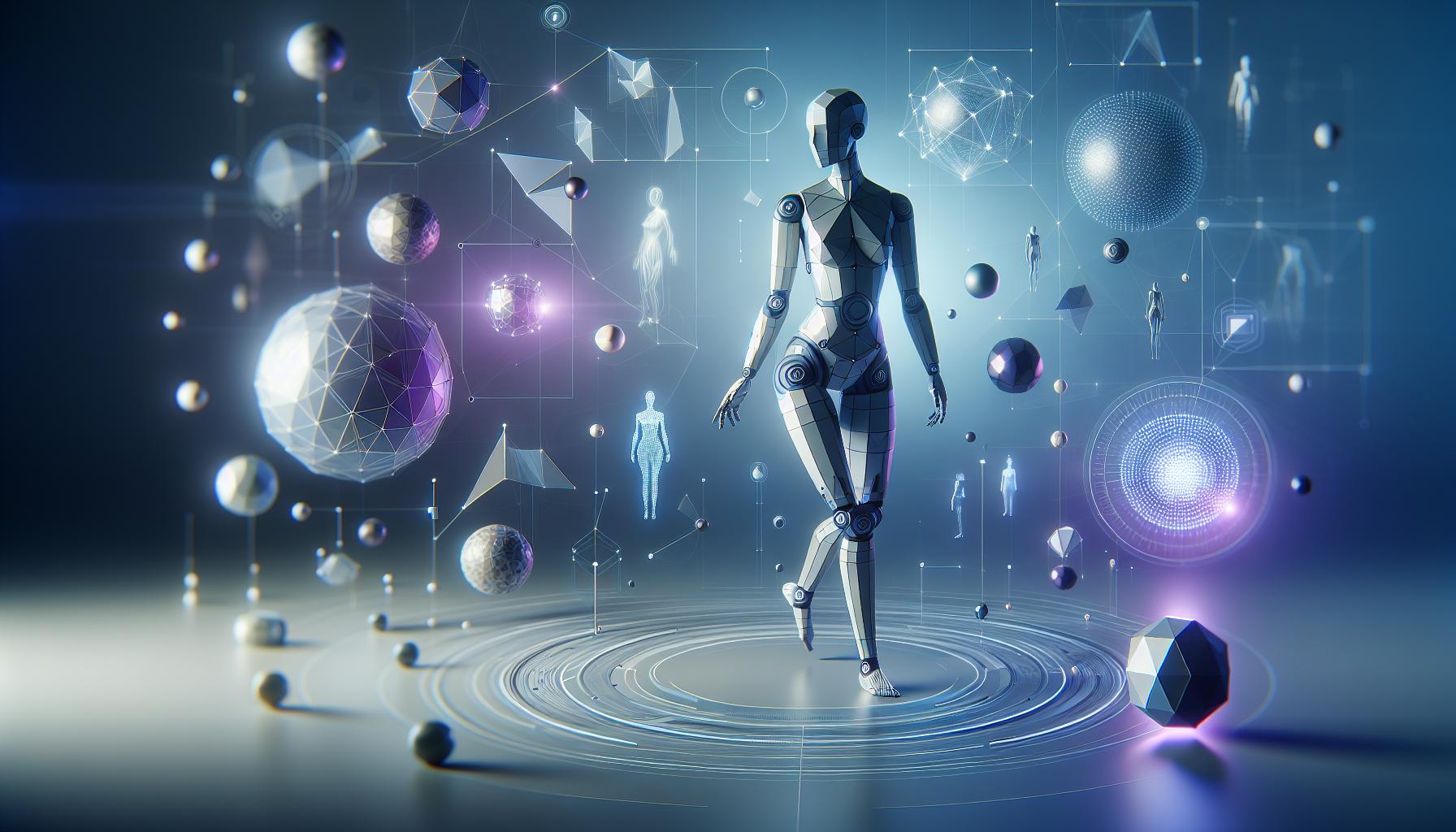
Understanding Body Shapes: The Fundamentals of Human Proportions in AI Art
The intricate relationship between body shapes and artistic representation forms the backbone of mastering human proportions in AI-generated art. Understanding these essential elements not only enhances your ability to create realistic figures but also enables your AI image generator to interpret prompts more effectively. Our comprehension of body shapes is rooted in classic principles of proportion, which remain pivotal in this digital age of art creation.
The Basics of Human Proportions
One of the foundational concepts in figure drawing is the notion of proportion, which refers to the size relationship between different body parts. Artists often use a standardized model to guide their work, allowing them to maintain consistency across various figures. The classic *seven-and-a-half head height* measurement is an illustrative example, where the average human body is approximately seven and a half heads tall. Here are some basic proportions to consider when generating body shapes:
- Head Size: The head generally constitutes about 1/8 of the total height.
- Shoulders: Shoulders are typically about 2-3 head widths wide.
- Waist: The waist should be around half the overall body height, slightly upward from the midpoint of the torso.
- Leg Length: Legs usually account for about half of total height.
Variations in Body Shapes
When harnessing the power of your AI image generator, it’s vital to recognize the common variations in human body shapes. Understanding these distinctions will enable you to guide your AI to produce more nuanced art that resonates with diverse audiences. Here’s a breakdown of several prevalent body shapes:
| Body Shape | Description | Key Features |
|---|---|---|
| Athletic | Broad shoulders, narrow waist, and toned limbs. | Defined muscles, angular lines. |
| Curvy | Prominent bust and hips with a narrower waist. | Soft curves, fuller proportions. |
| Petite | Smaller stature with shorter limbs. | Compact features, proportionately smaller body parts. |
| Plus-size | Fuller figures with proportionate features. | Rounder shapes, generous curves. |
By understanding these variations, creators can tailor their AI prompts to achieve more soulful and relatable results. When developing your prompts, include specific keywords related to body shape, such as “curvy,” “athletic,” or “petite,” enabling the AI to interpret proportions accurately and produce stunning visuals that reflect the diversity of human forms. By masterfully blending the fundamentals of human proportions with the flexibility of AI art generation, you can elevate your artwork to new heights, appealing to various aesthetic preferences.
Crafting Effective Prompts: How to Describe Body Types for Better Results
Crafting prompts that effectively describe body types is crucial for generating realistic figures in AI art. The way you articulate body shapes influences the visual output, allowing the AI to create representations that resonate with your artistic vision. Knowing how to detail these features can lead to more accurate and vibrant images, enhancing the overall quality of your artwork.
When describing body types, it is essential to include specific characteristics. Use clear descriptors that reflect the nuances of human anatomy, such as height, width, and proportions. For instance, instead of saying “tall,” consider specifying “6 feet tall with an athletic build.” This level of detail helps the AI understand your request more precisely. Here are some effective ways to define body types in your prompts:
- Proportional Descriptions: Mention key body ratios, such as “pear-shaped,” “hourglass,” or “rectangle,” to help convey the overall figure.
- Height and Weight: Provide numerical values if possible, like “5’8” and 150 pounds,” to give a clearer image of the desired figure.
- Specific Attributes: Include details about specific body features such as “broad shoulders,” “slim waist,” or “curvy hips” to illustrate the body’s lines and forms.
It’s also beneficial to incorporate examples that might symbolize your vision. For instance, using well-known public figures or fictional characters as a reference point can ground your description in a shared understanding. Additionally, don’t shy away from including clothing types or poses that resonate with your intended representation. This can further aid the AI in visualizing the context in which the body type exists, resulting in more coherent outputs.
Finally, remember that iterative refinement is key in working with AI image generators. After generating images, assess the results and adjust your prompts accordingly. If the output doesn’t match your expectations, consider altering your descriptors or adding new details to narrow down the generated options. By mastering the art of prompt crafting, particularly in describing body types, you can significantly enhance your creative projects using AI tools, leading to visually stunning and realistically depicted figures in your art.
Exploring the Impact of Style: How Artistic Choices Affect Body Representation
The way body representation is depicted in art can have profound implications on societal norms, individual self-perception, and cultural appreciation. Artistic choices—ranging from form and proportion to style and color—are not just creative expressions; they actively shape how bodies are visualized and appreciated. In the context of AI-generated art, particularly when utilizing body shape prompts, the decisions made by the artist can either perpetuate stereotypes or challenge the status quo.
The Power of Artistic Choices
Artistic style plays a critical role in body representation. For instance, hyper-realistic depictions often reflect idealized versions of human anatomy, influencing viewers’ perceptions of beauty standards. Conversely, abstract or surreal styles can challenge traditional perceptions of body shape and size, allowing for a broader understanding of beauty that embraces diversity and uniqueness. Here are several artistic choices that can significantly impact body representation:
- Color Palette: Bright colors can convey vibrancy and life, while muted tones may suggest somberness or introspection.
- Proportions: Exaggerated proportions may demystify conventional beauty standards, presenting alternative forms as equally valid.
- Style Influences: Styles influenced by different cultures can introduce viewers to varied standards of beauty and body shapes.
Ultimately, how artists utilize these choices in AI image generation, particularly in AI Image Generator Body Shape Prompt Help: Master Realistic Figures in AI Art, greatly affects viewers’ interpretations and emotional responses to the work.
Real-World Examples and Actions
Art movements throughout history demonstrate how the representation of bodies has evolved. The transition from the Renaissance’s idealized figures to the impressionist and modernist depictions shows a shift towards embracing individuality and diversity in body shape. For artists looking to utilize AI image generators in a thoughtful manner, the following approaches can be beneficial:
| Approach | Action Steps |
|---|---|
| Research Diverse Body Types | Gather references from various cultures and body shapes to inform your AI prompts. |
| Experiment with Styles | Test different artistic styles within the AI generator to see how they alter body representation. |
| Seek Feedback | Share generated images with diverse audiences to gain insights on representation and impact. |
By actively engaging with these strategies, artists not only enhance their skills in mastering realistic figures in AI art but also contribute to a richer and more inclusive discourse on body representation.
Fine-Tuning Details: The Role of Clothing and Pose in Generating Realistic Figures
The interplay between clothing and the pose of a figure significantly shapes the realism in AI-generated imagery. Understanding how these two elements interact can elevate your art, helping you create lifelike representations that resonate with viewers. Mastering the intricacies of fabric draping and body posture not only enhances visual appeal but also conveys mood and character depth.
The Impact of Clothing
Attire plays a critical role in defining the visual narrative and realism in AI-generated figures. Different fabrics, colors, and styles can evoke various emotions and settings. For example, a flowing gown in soft pastels may suggest serenity, while a tailored suit in dark tones can convey seriousness or authority. To effectively represent clothing in your prompts, consider the following:
- Fabric Types: Specify whether the garment is made from silk, denim, leather, etc., as this influences texture and appearance.
- Seasonal Context: Indicate seasonal relevance; winter attire should reflect heavier fabrics and layering, while summer outfits can include lighter, breathable materials.
- Color Schemes: Use color palettes that convey the desired mood. For instance, vibrant hues could evoke energy, while muted tones could indicate calmness.
The Importance of Pose
The body pose equally influences how clothing interacts with the figure and the overall realism. A static pose might not showcase the clothing’s dynamics, while an action shot can bring it to life. Here are some practical tips for utilizing poses effectively:
- Natural Movement: Opt for poses that mimic how people naturally stand or move to enhance realism. Poses like mid-stride walking or casual leaning can add energy.
- Character Reflection: Ensure the pose aligns with the character’s personality—confident stances for assertive figures or relaxed poses for more casual characters.
- Interaction with Clothing: Highlight how clothing responds to movement. A flowing dress should ripple realistically, while a fitted shirt should adhere closely to the body.
| Element | Consideration | Example |
|---|---|---|
| Fabric Type | Texture and weight | Satin dress vs. wool sweater |
| Season | Layering and fabric choice | Winter coat and scarf vs. summer t-shirt |
| Pose Type | Static vs. dynamic | Sitting calmly vs. jumping in excitement |
| Character Mood | Alignment with pose and clothing | Confident straight posture vs. shy slouched stance |
By paying close attention to how clothing and pose influence realism, artists using AI image generators can create figures that are not only visually captivating but also tell a compelling story. Integrating these elements into your prompts can effectively transform your projects, bringing you closer to mastering realistic figures in AI art.
Overcoming Challenges: Common Pitfalls in AI Image Generation and How to Avoid Them
To create compelling images with AI, understanding and navigating the common pitfalls in AI image generation is essential. Many users find themselves at a crossroads when using AI image generators, especially when trying to depict realistic body shapes in their artwork. This process can be complex, as it requires precise prompts and an awareness of model limitations. Engaging with these challenges proactively not only improves the output but also enhances the overall creative experience.
One of the most frequently encountered issues is crafting effective prompts. It’s vital to be specific about the body shapes and characteristics you wish to portray. Instead of vague descriptions, aim for detailed directives. For example, instead of saying “a person,” try using terms like “a muscular man in a dynamic pose” or “a slender woman sitting elegantly.” Such specificity guides the AI in generating more accurate and visually appealing figures. To refine your prompts further, consider using adjectives that indicate posture, clothing, and even emotional expressions, which collectively enrich the context of the generated images.
Another challenge lies in understanding the capabilities and limitations of various AI models. Each generator may interpret prompts differently, leading to varied results. Conducting experiments with different AI tools can reveal which model yields the best results for your desired output. When working with platforms such as DALL·E or Canva’s AI generator, keep a record of which keywords or styles worked best in prior attempts. This knowledge creates a personal database of effective prompts, which can significantly enhance your workflow and reduce trial-and-error time.
Utilizing feedback is also critical in overcoming hurdles in AI image generation. When possible, share your creations with peers or online communities and solicit constructive criticism. This feedback loop not only allows for refinement of your prompts but also helps in identifying recurrent issues. Create a checklist of common mistakes based on feedback, and refer to it while generating new images. This iterative process is key in mastering body shapes and achieving your artistic vision.
Regardless of the challenges faced, persistence is essential. As AI technology advances, so too do its applications in art generation. By equipping yourself with knowledge about effective prompting, understanding model specifics, and embracing a feedback-centric approach, you can navigate common pitfalls with confidence. Engaging deeply with these strategies not only helps in generating realistic figures but also enables a richer, more satisfying creative journey.
Expanding Your Creativity: Incorporating Diverse Body Shapes in AI Art
In the realm of digital art, the push for inclusivity is more vital than ever. With the advent of AI image generators, artists can now create diverse body shapes, breathing life into the concept of representation in artistic expression. This shift not only broadens your creative horizons but also resonates with a global audience keen on seeing themselves reflected in the art they engage with. To fully harness the capabilities of your AI image generator, it’s essential to understand how to construct prompts that facilitate the creation of realistic figures embodying various body types.
Diversifying Body Shapes in AI Art
To expand your artistic repertoire, consider the following strategies for incorporating diverse body shapes into your AI creations:
- Research and Reference: Begin by studying various body types and their distinctive characteristics. Use resources such as anatomy books, online databases, or artistic references that focus on body diversity.
- Specific Prompts: When designing your prompts, be explicit about the body shapes you want to incorporate. For example, use descriptors like “curvy,” “muscular,” “petite,” or “plus-sized.” This specificity guides the AI and improves the realism of the generated figures.
- Emphasize Realism: To achieve more lifelike representations, include details that pertain to posture, movement, and facial expressions. Contextual prompts like “a confident woman with an hourglass figure walking in a park” help the AI capture not just body shape but the essence of the figure.
Effective Prompt Structuring
Utilizing a well-structured prompt can significantly enhance the output of your AI image generator. Here’s a simple framework that can guide you:
| Component | Description |
|---|---|
| Subject | The main focus of your image (e.g., a woman, a man, a group of people). |
| Body Shape | Clearly define the body shape (e.g., curvy, slender, athletic, etc.). |
| Context | Set the scene or activity (e.g., dancing, working out, relaxing). This adds depth to the character. |
| Style | Indicate the artistic style or medium (e.g., digital painting, realistic, cartoonish). |
For example, a well-crafted prompt might read, “A **curvy woman in a flowing summer dress, twirling joyfully in a sunlit meadow, painted in a hyper-realistic style.” This structure not only enhances the clarity of your request, facilitating superior outputs from the AI, but also ensures that the resulting artwork celebrates body diversity in a meaningful way. Embrace the power of AI tools to express a wide array of body shapes, and watch as your creative possibilities expand into uncharted territories.
Best Practices for Iteration: Refining Your Prompts for Improved Outcomes
Crafting effective prompts for AI image generation can feel like an art form in itself. It’s fascinating to discover that the choice of words and details you provide can dramatically influence the realism and aesthetics of the generated figure. This interplay between language and visual output underscores the importance of refining your prompts to achieve optimal results in AI art. Here are some best practices to consider when iterating on your prompts.
Understand Your Desired Outcome
Start by clearly defining what you want to achieve with your AI-generated images. Whether you’re looking to create lifelike human figures, stylized characters, or something uniquely abstract, knowing your goal will significantly shape your prompt. Consider these aspects:
- Specificity: Describe the body shape you want in detail. Instead of saying “a person,” try “a tall, athletic woman with long limbs and a slight build.” This clarity helps the AI accurately interpret your intent.
- Contextual Elements: Include background and character context. Mentioning that the figure is a dancer in motion or a model at a fashion show can lead to better contextualization in the AI’s output.
- Visual References: When possible, provide visual references or mood boards. This additional context can help fine-tune the AI’s understanding even further.
Experiment and Adjust
Iteration is key in the process of refining prompts for AI image generation. Don’t hesitate to adjust variables and see how minor changes affect the output. Consider creating a structured approach to your iterations:
| Iteration | Prompt Variation | Outcome | Notes |
|---|---|---|---|
| 1 | “A strong, muscular man lifting weights in a gym” | Realistic body shape, good lighting | High detail, but lacking background action |
| 2 | “An athletic man lifting weights with dynamic gym equipment around him” | Improved action and realism | Added context enhanced visual energy |
Through this example, it becomes clear that even small adjustments can lead to more impactful outcomes. Always document your findings to identify patterns and preferences, which will aid in future prompt refinement.
Seek Feedback and Inspiration
Engaging with communities that focus on AI art can significantly enhance your prompt-writing skills. Platforms like ArtStation or Reddit have groups devoted to sharing AI-generated imagery and techniques. Observing how others structure their prompts can provide insights and new ideas. Moreover, don’t shy away from seeking constructive feedback on your outputs from peers or mentors within these circles.
Incorporating these practices into your workflow will not only streamline your creative process but also elevate the quality of the figures generated by your AI image generator, ultimately leading to extraordinary representations in your art. Remember, mastering realistic figures doesn’t happen overnight—it’s a journey of exploration and revision that pays off in the quality of your final creations.
Tools and Resources: Essential Software and Communities for AI Art Enthusiasts
One of the most exciting aspects of venturing into AI art is the vast array of tools and communities available to help enthusiasts refine their skills and enhance their creative output. Understanding which platforms can assist you in mastering realistic figures is crucial for anyone looking to improve their craft. Let’s explore some of the most effective software and community resources that can elevate your experience in producing compelling AI-generated art.
Top AI Art Generation Tools
There are numerous AI art generators that cater to various artistic needs, especially when it comes to mastering body shapes and realistic figures:
- Artguru: This tool allows users to create stunning AI art through text and photo prompts. It is especially useful for experimenting with different styles and concepts, such as designing specific body shapes or character poses.
- Magic Studio: Known for its lightning-fast processing, Magic Studio enables artists to input quotes or messages that can be transformed into artistic expressions, making it an excellent choice for individualized figure studies.
- Img2Go: With capabilities ranging from realistic drawings to digital art, Img2Go provides a versatile platform for artists aiming to produce diverse art forms, including those focused on body shape and anatomy.
Communities and Learning Platforms
Engaging with communities dedicated to AI art can significantly enhance your learning curve. Active participation in these groups not only offers critique and support but also opens up networking opportunities:
- Discord Servers
- Reddit Communities: Subreddits such as r/AIArt or r/ArtFundamentals provide spaces to discuss techniques, share prompts specifically for body shapes, and connect with fellow enthusiasts.
- Online Tutorials and Courses: Platforms like Skillshare or Udemy often feature courses on AI art creation and figure drawing, which can provide structured learning paths.
By leveraging these tools and engaging with supportive communities, you will not only enhance your ability to generate realistic figures but also find inspiration and guidance from others on the same creative journey. As you practice with AI image generators, remember to explore different prompts and styles, allowing for experimentation that could lead to unique artistic expressions.
FAQ
What is the AI Image Generator Body Shape Prompt Help?
The AI Image Generator Body Shape Prompt Help is a guide designed to assist users in creating realistic figures in AI art. It focuses on effective prompt writing to help achieve desired body shapes and details.
This resource offers tips on describing proportions, poses, and features clearly in your prompts. By understanding how to articulate these aspects, you can enhance your results when using AI models for art generation, ensuring that your figures look lifelike and cohesive.
How can I create realistic figures using AI Image Generator Body Shape prompts?
To create realistic figures, begin by using specific descriptors in your prompts. Include details like body type, height, and posture. This clarity allows the AI to generate more accurate representations.
For instance, instead of simply saying “woman”, specify “a tall, athletic woman with long hair in a running pose.” This approach helps the AI understand your vision, leading to better outcomes. Explore various angles and contexts to refine your results.
Why does my AI generated art not have realistic body shapes?
If your AI-generated art lacks realism in body shapes, it may be due to vague or unclear prompts. The AI Image Generator Body Shape Prompt Help emphasizes the importance of detailed descriptions.
The more precise you are, the more likely you are to receive a visually appealing output. Consider factors like proportion, muscle tone, and anatomy in your prompts to guide the AI in producing realistic figures.
Can I improve my prompts for creating human figures in AI art?
Yes, you can significantly improve your prompts by incorporating specific details about the desired figure. Use terms related to body shape, clothing, and expression to refine the output from the AI.
For example, instead of saying “a person”, you might say “a medium-built man wearing a blue shirt and smiling”. This additional context helps communicate your vision more effectively, resulting in a better match with your expectations.
What tips can help me master realistic figures in AI art?
To master realistic figures, focus on using descriptive language in your prompts. Emphasize aspects such as body proportions, ethnic features, and dynamic poses.
Additionally, studying human anatomy and art references can provide a solid foundation for what realistic figures should look like. Utilize the AI Image Generation Prompt Guide for in-depth strategies and examples.
How do different body shapes affect AI image generation?
Different body shapes influence the final output in AI-generated images significantly. By specifying body types like “petite”, “athletic”, or “curvy”, you provide clear direction for the AI.
This specificity allows the AI to understand the nuances of each body shape, enhancing the realism of the figures. It’s essential to experiment with various shapes to see how they can be integrated into your artistic vision.
Why is prompt specificity crucial for AI-generated figures?
Prompt specificity is crucial for achieving desired outcomes in AI-generated figures. Vague prompts lead to generic images, while detailed descriptions yield more tailored results.
Incorporating specifics such as age, body shape, and activity can enhance the fidelity of the image. Practicing with different levels of detail helps in understanding how the AI interprets various elements, improving your results over time.
To Wrap It Up
In conclusion, mastering the art of using prompts for AI image generation, particularly for realistic body shapes, is an engaging journey that blends creativity with technical skill. By understanding the nuances of effective prompting, you can significantly enhance the quality and accuracy of your AI-generated figures. Remember to incorporate specific details about body proportions, poses, and character attributes to guide the AI effectively. As you experiment with different prompt styles and techniques, stay curious and embrace the learning process; each attempt will sharpen your skills and broaden your artistic horizons. We encourage you to explore the various resources available, including prompt guides and AI art communities, to deepen your understanding and refine your approach. Embrace the possibilities of AI art and let your creativity flourish!